
In a significant move for higher education in Cameroon, the Ministry of Higher Education (MINESUP) has lifted the suspension on doctoral admissions that had been in place since July 2023. On January 15, 2026, Minister Jacques Fame Ndongo issued Press Release No. 26-00U19, authorising the selection of exactly 600 candidates for doctoral studies across the nation’s 11 state universities for the 2025/2026 academic year. This decision follows presidential directives from President Paul Biya in November 2025, aiming to revive doctoral programmes with a focus on quality, sustainability and controlled expansion.
The suspension originated from an audit revealing issues like financial unsustainability, overburdened supervision and inadequate quality standards. The new framework introduces targeted reforms to address these, but while it represents progress, several areas still require attention to ensure long-term effectiveness and equity in Cameroon’s doctoral ecosystem.
Key Reforms Introduced
The press release outlines a structured approach to admissions, placing emphasis on selectivity and oversight. Eligibility criteria have been tightened:
- Candidates must possess a Research Master’s degree or equivalent in fundamental or applied fields; professional or technological Master’s degrees are excluded.
- A minimum grade of 12/20 (C+) is mandatory, and this threshold cannot be lowered—though institutions may raise it based on program needs, available spots, and capacity.
- Exceptions for outstanding academic records, gender equity, and inclusion of persons with disabilities are permitted, but only if the minimum grade is met.
To prevent supervision overload, new limits have been set:
- Supervisors can oversee a maximum of 3 Cameroonian students per doctoral cycle (until the first thesis defense among them).
- Up to 2 non-national students per supervisor are allowed.
- These caps apply nationwide across all state universities.
International collaboration is encouraged but regulated:
- Joint supervision and co-tutelle with foreign universities are included in the 600-spot quota.
- Non-nationals are outside the main quota but subject to the supervision limits.
Financial provisions aim for accessibility:
- Selected students pay an annual fee of 50,000 FCFA (about $85 USD), excluding non-CEMAC nationals.
- Universities cover supervision and defense costs.
Quotas are distributed based on institutional capacities, as proposed by the Conference of Heads of University Institutions (CONCIU):
| No. | University | Quota |
| 1 | Bamenda | 60 |
| 2 | Bertoua | 30 |
| 3 | Buea | 60 |
| 4 | Douala | 60 |
| 5 | Dschang | 60 |
| 6 | Ebolowa | 30 |
| 7 | Garoua | 30 |
| 8 | Maroua | 75 |
| 9 | Ngaoundere | 60 |
| 10 | Yaoundé I | 60 |
| 11 | Yaoundé II | 75 |
| Total | 600 |
University leaders can allocate these by speciality, aligning with the National Development Strategy (SND30).
Oversight is now centralised through the National Commission for Doctoral Training, which coordinates selections, monitors quality and provides research support. The timeline is expedited:
- Calls for applications by January 23, 2026.
- Selections completed by February 16, 2026.
- Final lists submitted via CONCIU to MINESUP by February 25, 2026, for approval.
These measures signal a shift toward regulated, high-quality doctoral training, potentially fostering better research outputs and international partnerships.
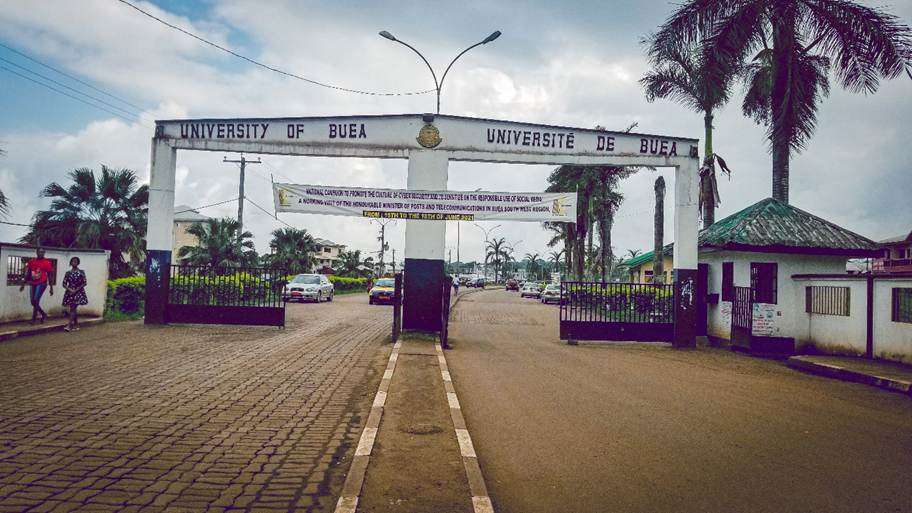
(University of Buea campus)
Positive Implications of the Reforms
This revival could enhance Cameroon’s research capacity, addressing the need for more PhD holders to drive innovation and national development. The supervisor caps should improve mentoring quality, reducing burnout and incomplete theses. Including international co-supervision opens doors for knowledge exchange, potentially elevating Cameroonian programs to global standards. The emphasis on equity, especially through gender and disability considerations, promotes inclusivity, while national coordination ensures consistency across institutions.
Remaining Challenges and Areas Needing Improvement
Despite these advancements, the reforms leave several gaps that could undermine their impact if not addressed. First, the 600-spot cap, while intended to match capacity, may not suffice given pent-up demand from the two-year hiatus. Thousands of aspiring doctoral candidates were left in limbo, and with Cameroon’s growing youth population, this limited intake risks exacerbating access inequalities, particularly in under-represented regions or fields.
Financial sustainability remains a core concern. While fees are modest and universities cover some costs, the press release does not detail funding for research activities, laboratories, or student stipends. Past audits highlighted inadequate resources, and without increased investment, programs may struggle to produce high-impact research. Infrastructure upgrades, such as modern labs, libraries, and digital tools, are urgently needed to meet international benchmarks.
Staffing and autonomy issues persist. The centralised presidential directives and national commission, while providing structure, might limit university independence, potentially stifling innovation. Enforcing supervisor limits across institutions will require robust tracking systems, and there’s a risk of uneven implementation. Moreover, PhD holders in Cameroon have historically faced employment challenges, with many protesting for jobs despite their qualifications. Reforms should link doctoral training to labor market needs, emphasizing skills for innovation rather than just degrees.
Equity measures, though welcome, are framed as exceptions rather than systemic policies. Stronger mechanisms, like dedicated quotas or support programmes, are needed to ensure meaningful inclusion for women, persons with disabilities, and minorities. The tight timeline for selections (just weeks from announcement) could lead to rushed processes, compromising fairness.
Finally, broader higher education overhaul is essential. As noted in sector analyses, Cameroon’s universities lag in global rankings due to political interference, underfunding and outdated curricula. Integrating doctoral reforms with investments in teacher training, digitalisation and research grants would create a more holistic system.
Looking Ahead
Cameroon’s doctoral resumption is a step toward revitalising higher education, but its success hinges on addressing these lingering issues. Stakeholders, including government, universities, and international partners, must prioritise sustainable funding, infrastructure, and inclusive policies to transform challenges into opportunities. As the 2025/2026 academic year unfolds, monitoring implementation will be key to ensuring this revival benefits the nation’s knowledge economy and future generations.